A amazing tool works at the very edge of what materials can do in labs and workshops all over the world. The zirconium crucible, which can survive temperatures of up to 1852℃ and strong chemical attacks, is now an important part of modern industry in many fields. Zirconium crucibles are used to make sure that high-stakes uses are pure and accurate. They are used in everything from jewelry on your wrist to medical implants that save lives. This detailed guide tells you everything you need to know about these unique vessels and explains why they're so important in modern study and industry.
Zirconium Crucibles: Engineering for the Extreme
Beyond Basic Containers: Precision Engineering
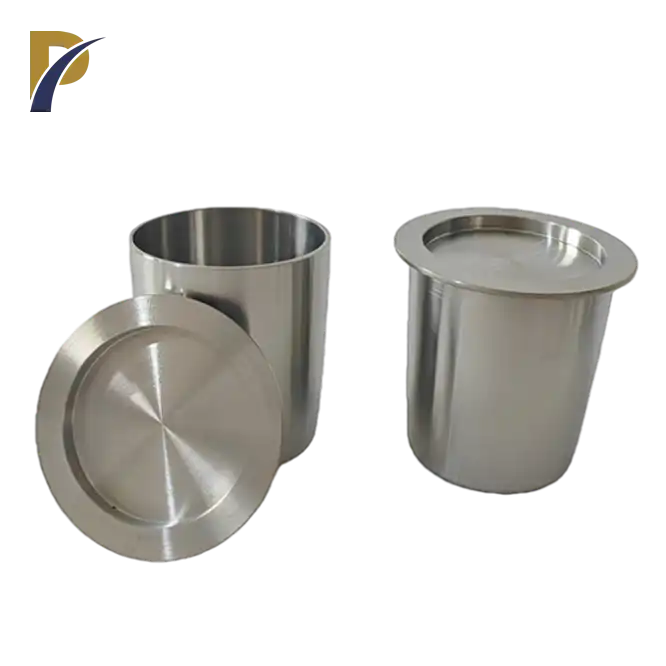
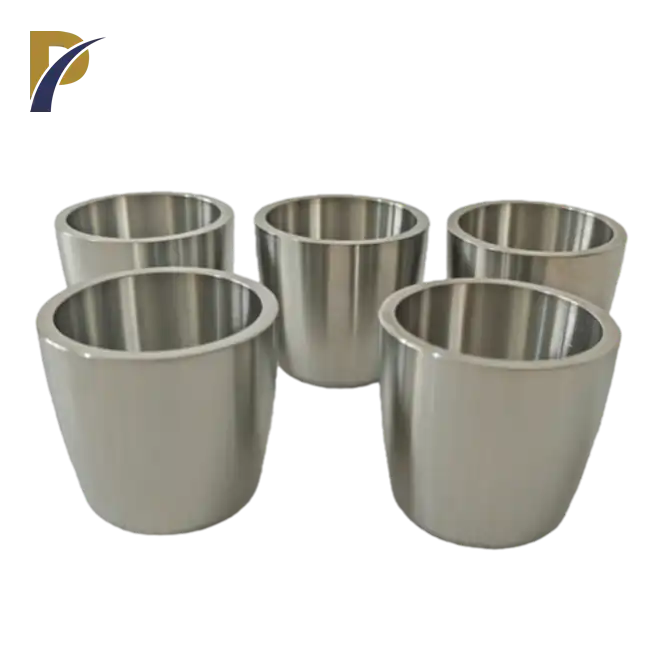
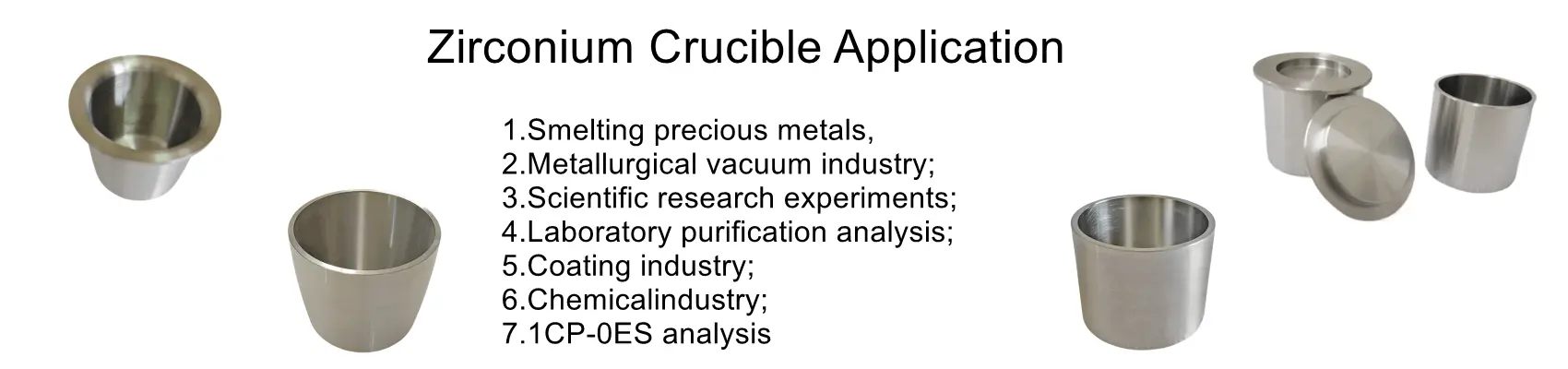
A zirconium crucible might not look like much at first glance—it's a simple cylinder with straight lines and a shiny sheen. This simple look hides the amazing engineering and careful manufacturing that turns raw zirconium into precise tools that can last in conditions that would normally destroy other materials.
There are many complex steps that must be taken to get from rock to finished furnace. Zirconium is found in nature as a material that is linked with other elements. It takes a lot of work to get it out of the ground. When rocks containing zirconium are mined, they are treated chemically to separate the zirconium from the other elements that are present.
After being cleaned, sponge zirconium is made, which is a pure form of the metal with pores that is used as the base material. From this point on, producers use specific metalworking methods:
- Vacuum melting turns sponge zirconium into solid bars while keeping them clean.
- Hot Working: Forges metal into shapes in between with better grain structure
- Cold working: crucibles are shaped to exact measurements, and the material's qualities are improved.
- Treatment of the Surface: cleans, polishes, and gets surfaces ready for use
- Quality Control: Checks for flaws, checks for cleanliness, and makes sure standards are met.
 |
 |
 |
Application-Driven Design Philosophy
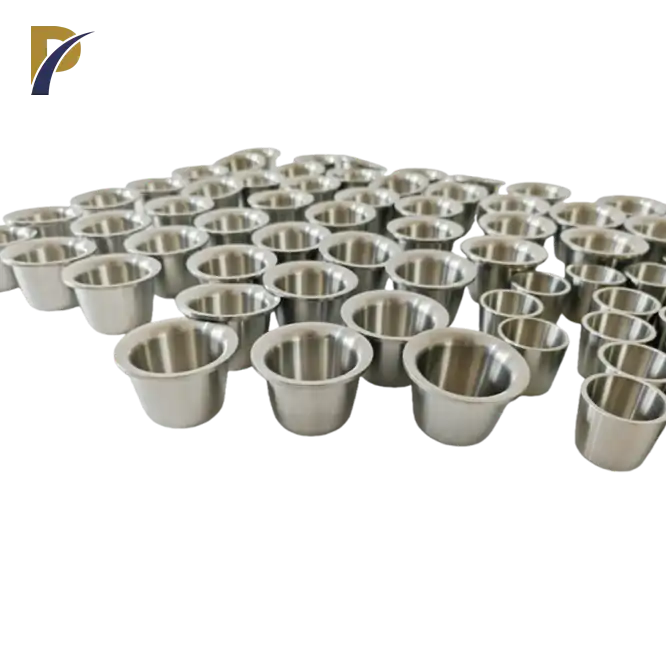
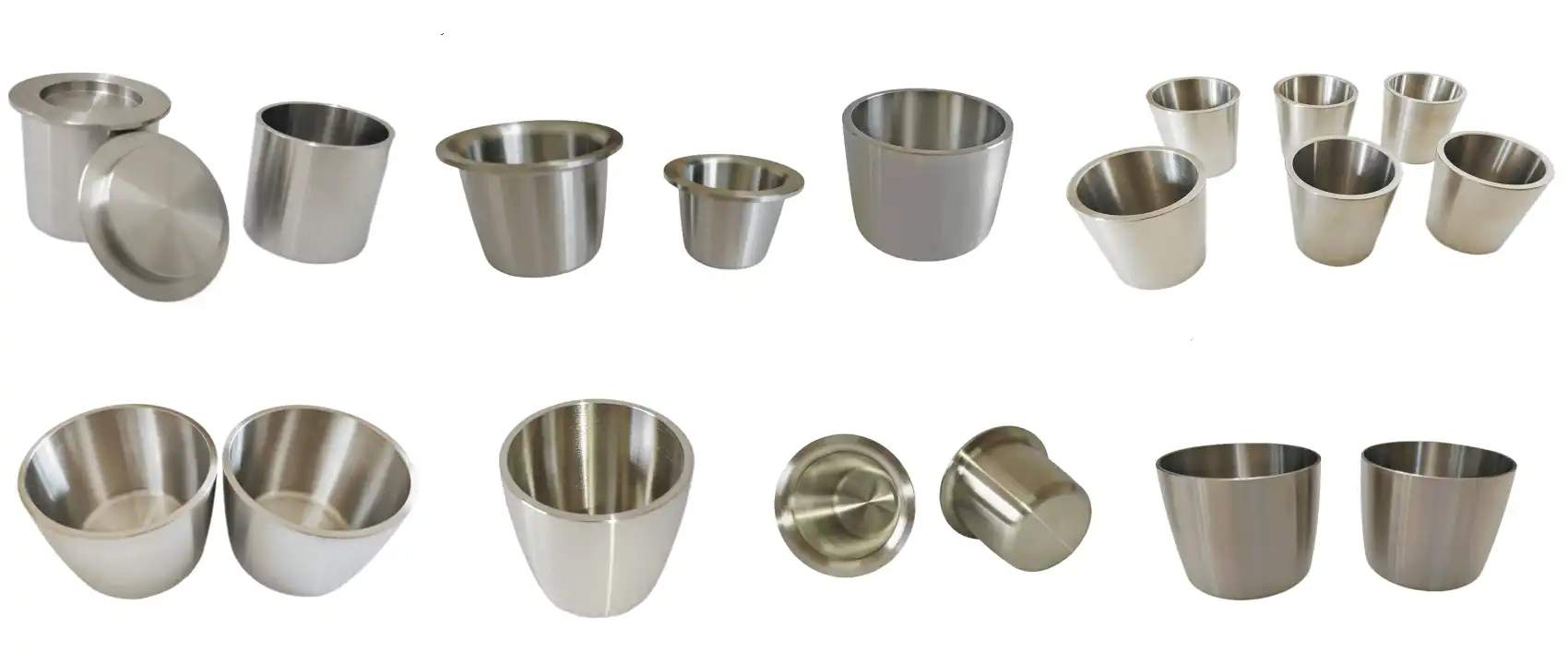
The shape of a zirconium crucible is based on its purpose. A crucible used for polishing valuable metals is very different from one used for processing high-purity semiconductor materials or strong chemical processes.
Specifications for the jewelry business:
- Interior areas that are mirror-polished keep metal from sticking.
- A medium wall thickness is good for both heat absorption and longevity.
- Smooth edges make it easier to pour melting metals.
- Sizes are the same as normal melting amounts in the metal business.
Needs for a Research Laboratory:
- Ultra-high purity keeps trial contamination to a minimum.
- Different sizes can hold different amounts of sample
- forms made just for certain heating equipment
- Documentation proving the cleanliness and makeup of the material
Things about industrial production:
- Strong structure can handle constant use
- Large capacity handles amounts of this size
- Geometry that is best for certain furnace setups
- Durable surfaces don't wear down after being used many times.
This customization makes sure that each crucible works perfectly in the setting it was made for, which improves both results and service life.
The Performance Trinity: Why Zirconium Dominates Demanding Applications?
Temperature Mastery: Operating Where Others FailZirconium's chemical protection comes from the way its surface oxidizes. When the metal comes into contact with oxygen, it quickly makes a thin layer of dense zirconium dioxide (ZrO₂). This silent film works well as a shield to stop any more oxidation or chemical attack.
It is amazing how stable the protective oxide layer is:
- Acid Resistance: At normal working temperatures, strong mineral acids like hydrochloric, sulfuric, and nitric acid can't get through the oxide layer. This means that the crucible can be used in acid-based processes without worrying about contamination.
- Alkaline Resistance: Alkaline environments don't affect zirconium as much as acids do in crucible uses, but they don't hurt it either when things are running normally.
- In order to melt flammable metals or alloys, the crucible must not come into contact with the melt. Zirconium is stable, so it doesn't mix with other things in ways that could change the makeup of an alloy or add contaminants.
- This chemical inertness is very important in situations where cleanliness is key to success. Zirconium crucibles typically provide clean conditions that are needed for making pharmaceutical intermediates, processing semiconductor materials, and making biological alloys.
Chemical Resistance: Inert in Aggressive Environments
Zirconium is resistant to chemicals because of how its surface oxidizes. When metal is introduced to oxygen, it quickly makes a thin layer of dense zirconium dioxide (ZrO₂). This passive layer makes a good shield that stops any more chemical or oxidative attack.
This is how stable the protective oxide layer is:
- Resistance to Acids: At normal working temps, strong mineral acids such as hydrochloric, sulfuric, and nitric acid can't get through the oxide layer. In acid-based processes, this means that the crucible can be used without worrying about contamination.
- Although alkaline surroundings aren't used as often as acidic ones in crucibles, they don't affect zirconium either when it's working normally.
- Molten Metal Compatibility: The container must not come into contact with the melt when melting toxic metals or alloys. Because zirconium is stable, it doesn't combine with other things in ways that could change the makeup of an alloy or add contaminants.
This lack of chemical activity is very important in situations where cleanliness is key to success. Making pharmaceutical intermediates, working with semiconductor materials, and making biological alloys all need clean conditions, which zirconium crucibles regularly provide.
 |
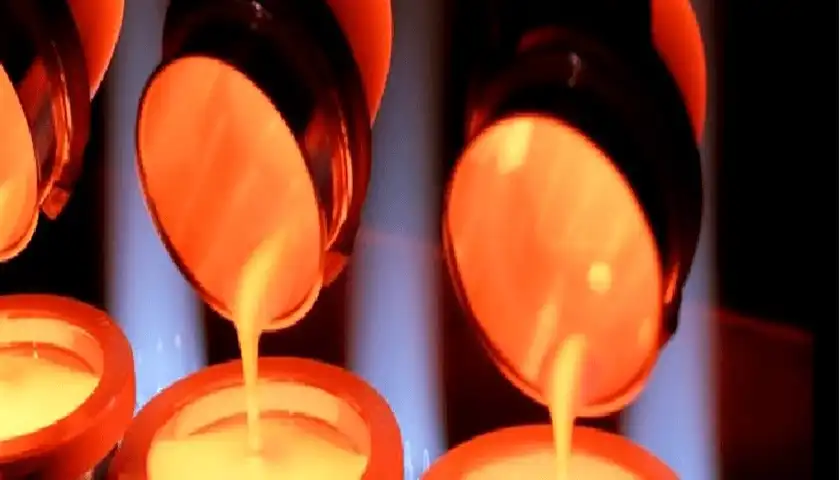 |
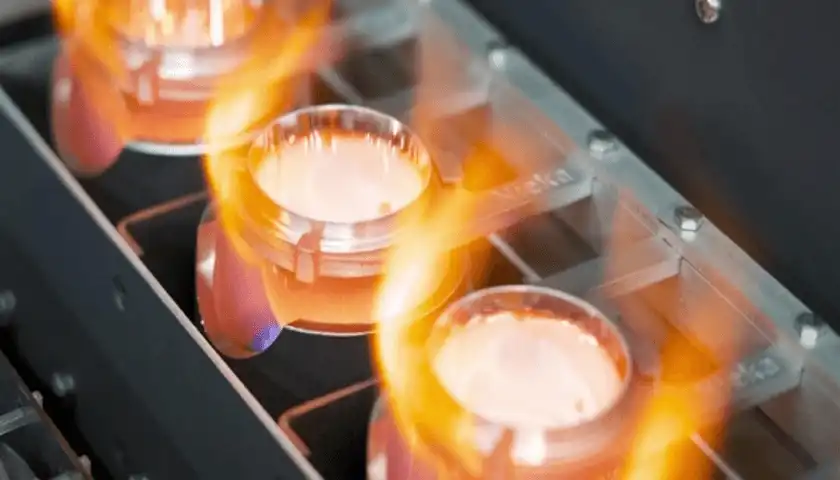
Thermal Performance: Uniform Heating and Shock Resistance
Zirconium's chemical protection in a zirconium crucible comes from the way its surface oxidizes. When the metal comes into contact with oxygen, it quickly makes a thin layer of dense zirconium dioxide (ZrO₂). This silent film works well as a shield to stop any more oxidation or chemical attack.
It is amazing how stable the protective oxide layer is:
- Acid Resistance: At normal working temperatures, strong mineral acids like hydrochloric, sulfuric, and nitric acid can't get through the oxide layer. This means that the crucible can be used in acid-based processes without worrying about contamination.
- Alkaline Resistance: Alkaline environments don't affect zirconium as much as acids do in crucible uses, but they don't hurt it either when things are running normally.
- In order to melt flammable metals or alloys, the crucible must not come into contact with the melt. Zirconium is stable, so it doesn't mix with other things in ways that could change the makeup of an alloy or add contaminants.
- If you buy premium zirconium crucibles, you'll get better results, better product quality, and lower costs for replacing broken equipment.
Applications Across Industries: Where Zirconium Crucibles Create Value
Precious Metals and Jewelry Manufacturing
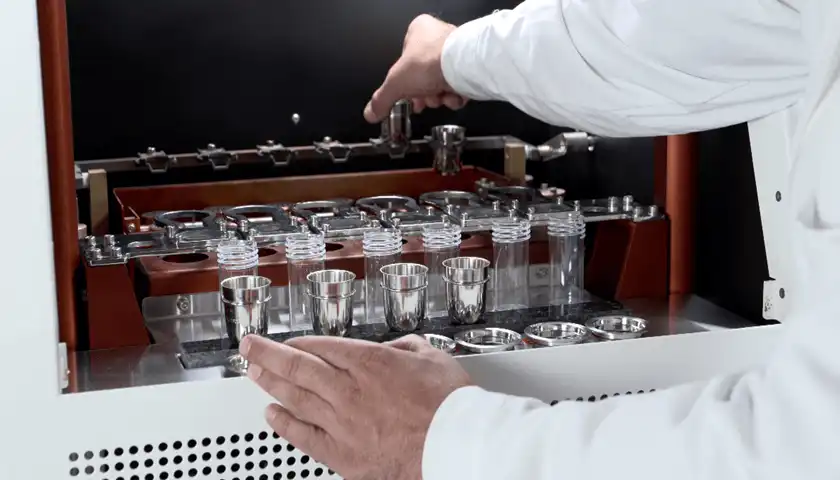
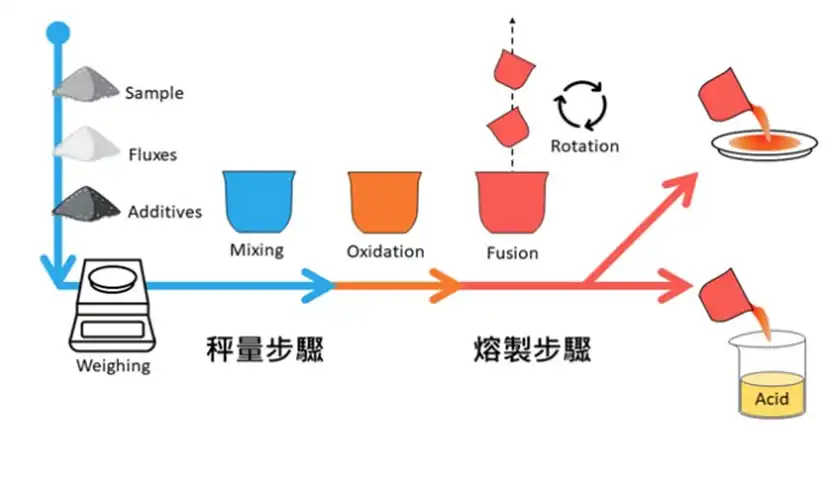
The jewelry industry's zero-tolerance policy for contamination makes zirconium crucibles a natural choice. When crafting investment-grade jewelry or processing recycled precious metals, purity directly affects value and customer satisfaction.
Zirconium crucibles support these quality requirements through:
- Contamination Prevention: Non-reactive surfaces ensure only intended metals enter the final product
- Temperature Control: Stable high-temperature performance enables optimal melting conditions
- Surface Quality: Polished interiors prevent metal losses through adhesion
- Durability: Resistant to thermal and chemical stress from repeated use
Professional jewelers and refiners recognize that crucible quality impacts their reputation and profitability. Premium zirconium crucibles represent an investment that pays dividends through improved yields, superior product quality, and reduced equipment replacement costs.
 |
 |
Electronics and Advanced Materials
Today's gadgets need materials that have been treated to very high standards of clarity. In particular, manufacturing semiconductors can't stand pollution that changes the electrical qualities or function of the device.
zirconium crucibles make it possible to make circuits by:
- There are grades of ultra-high purity with pollution amounts measured in parts per billion.
- Clean processing means that no explosive chemicals or elements get into the melt from the furnace.
- The machine can handle high temps and can process special electrical materials that need them.
- Consistency: Equal qualities for each electrical component are guaranteed by batch-to-batch repeatability.
As gadgets get smarter and smaller, stricter rules are put on how pure materials must be. These changing needs are met by zirconium crucibles, which put producers in a position to meet the quality standards of tomorrow today.
Biomedical and Medical Device Applications
Medical gadgets and implants have to meet stricter safety standards than almost any other product. When materials come into touch with human flesh, they must be completely biocompatible and free of any harmful contaminants.
Some medical uses for zirconium crucibles are:
- Hip replacements, knee joints, and bone plates are all made of titanium and special alloys that are cooked in zirconium crucibles to make sure they are biocompatible.
- Dental uses: Zirconium crucible processing creates clean, germ-free materials that are perfect for crowns, bridges, and implants.
- surgery Tools: Clean heating methods keep high-quality surgery tools made of stainless steel and titanium from becoming weak or rusty.
- Diagnostic Equipment: Pure parts made in zirconium crucibles are used in sensors and tracking tools that use special materials.
Regulatory environments in the medical field require quality control and process approval to be written down. To meet these needs, companies that make zirconium crucibles for medical uses offer full approval and tracking.
Research and Development
In order for science to make progress, people often have to explore new materials, methods, or extreme situations that they have never seen before. Scientists need tools like the zirconium crucible that help them do their work without limiting what they can do.
This is how zirconium crucibles help research:
- Versatility: Works with a lot of different products and situations
- Reliability: Testing results that can be predicted allow for useful comparisons between experiments.
- Pure: Not interfering too much with testing systems
- Temperature Range: Enables exploring in a range of temperatures
Zrconium crucibles are used to make discoveries all over the world, from university labs studying basic material qualities to business R&D making new goods for the future.
Selection, Use, and Maintenance: Maximizing Your Investment
Strategic Crucible Selection
To find the best zirconium crucible, you need to think about your needs in a number of different areas:
What you need to do to apply:
- Maximum temperature for operation
- Chemical surroundings (bases, acids, and volatile substances)
- Level of cleanliness needed
- Size of the batch and handling amount
- Compatibility with heating tools
Specifications for the material:
- Pure zirconium grade
- Wall thickness that works for the job
- Surface finish on the inside
- Sizes and capacities overall
- Extras (like lids, spilling spouts, etc.)
Assurance of quality:
- Certifications and image of the manufacturer
- Testing records for materials
- Making the manufacturing process clear
- Meeting the guidelines of the company
- Services for warranty and help
Thoughts on Economics:
- The initial cost of buying
- Expected length of use
- Replacement how often
- Effects on output and quality of the product
- Total cost of owning something
Operational Excellence
The zirconium crucible works best and lasts as long as it is used correctly:
Inspection and Preparation Before Use:
- Look at it closely for cracks, chips, or deformation
- Checking the measurements if the margin for dimensions is important
- Cleaning thoroughly with the right tools
- Complete drying to get rid of all the water
- Warming up slowly to working temperature
During the event:
- Checking the temperature with tools that have been set
- Temperature and air flow can be controlled
- Correct placement of materials to avoid mechanical stress
- Use of the right tools for handling
- Record keeping of working data
Protocol for after use:
- Cooling that can be controlled to avoid heat shock
- Quickly getting rid of leftover items (when needed)
- Cleansing thoroughly for the things being worked on
- Checking for damage and keeping records
- Proper storage in a controlled setting
Extending Service Life
Maintenance plans will keep your furnace investment safe:
Steps for cleaning:
- Choose cleaning products that can be used on both the furnace and the leftovers.
- To keep surfaces from getting scratched, use soft cloths or brushes.
- Thoroughly rinse to get rid of any cleaning agent left behind.
- Dry all the way before putting away
- Don't use rough cleaners that hurt surfaces.
Conditions for Storage:
- rusting doesn't happen in low-humidity environments.
- Location that doesn't change temperature prevents thermal cycle stress
- Protective packaging keeps things from getting damaged.
- Separation from elements that react
- Condition tracking is possible with an organized method
Tracking of Use:
- Write down the date, purpose, and temperature of each use.
- Write down any strange events or notes.
- Record the total number of heat cycles
- Set up regular, thorough checks.
- Based on past, set conditions for replacement
Conclusion
Crucibles made of zirconium are a good example of how specific materials make current technology and industry possible. Because they are so resistant to high temperatures, chemicals, and heat, they can't be replaced in situations where accuracy, purity, and dependability are very important.
When it comes to medical device safety, study labs need solid tools, the jewelry industry has strict rules about what can be used, and electronics manufacturers can't stand contamination. Zirconium crucibles quietly help progress in all of these areas. They make difficult technical requirements attainable, making goods and processes possible that define modern life.
As businesses change and new technologies come out, like advanced materials for spacecraft, next-generation energy systems, and groundbreaking medical treatments, zirconium crucibles will continue to change to meet new needs. The basic qualities that make them useful now also make them good candidates for tomorrow's innovations.
When you understand zirconium crucibles, you realize that great tools lead to great results. Picking the correct crucible is very important for your success whether you're processing valuable metals, making computer parts, medical devices, or pushing the limits of material science. Due to its unique set of qualities, zirconium is the best material to use when failure is not an option and only excellence will do.
FAQ
How long does a zirconium crucible typically last?
The service life depends on the chemical surroundings, the working temperature, and how often the temperature changes. With the right care and use, crucibles can last for years, and in some cases can even go through thousands of melt cycles.
Can zirconium crucibles be used for reactive metals like lithium or sodium?
Although zirconium is very resistant to weathering in general, highly reactive alkali metals may need special crucible materials. Talk to the makers about how to use volatile metals in certain situations.
What's the difference between zirconium and zirconia crucibles?
Because zirconium crucibles are made of metal, they are very good at conducting heat and absorbing shock. Zirconia crucibles are made of clay and have different qualities that make them better for different uses. Depending on the needs, each has its own unique benefits.
How should I dispose of a damaged zirconium crucible?
Zirconium can be recycled. A lot of companies that make things or recover metal will take broken crucibles back to be used again. Before throwing something away as trash, check your area rules and see what recycling choices are available.
Your Partner in High-Performance Materials
The Shaanxi Peakrise Metal Co., Ltd. has been making non-ferrous metals, including the zirconium crucible, for more than 15 years and has a wide range of over 100 specialty goods, such as tungsten, molybdenum, tantalum, niobium, titanium, zirconium, and nickel alloys. Our combined business offers quality methods that are ISO9001-certified for manufacturing, research and development, testing, and inventory management. Customers in Taiwan, Ukraine, South Korea, the USA, Australia, Germany, Iran, and other places have become strong friends of ours.
Come see what makes Peakrise different: low factory prices, top-notch shipping with trusted shippers, strict quality control, and committed customer service. Our professional team and state-of-the-art buildings guarantee solutions that go above and beyond what is expected. For all of your zirconium crucible needs, please contact us right away.
Contact us today for your zirconium crucible requirements. Email: info@peakrisemetal.com
References
Lustman, B., & Kerze, F. (2017). The Metallurgy of Zirconium (Reprint ed.). Martino Fine Books.
Cox, B. (2019). "Oxidation of zirconium and its alloys: A review of fundamental mechanisms." Corrosion Science, 168, 108576.
Schatt, W., & Wieters, K. P. (2020). Powder Metallurgy: Processing and Materials. Shrewsbury: European Powder Metallurgy Association.
Massalski, T. B. (Ed.). (2021). Binary Alloy Phase Diagrams (2nd ed.). Materials Park, OH: ASM International.
Reed-Hill, R. E., & Abbaschian, R. (2022). Physical Metallurgy Principles (4th ed.). Boston: Cengage Learning.
European Medical Device Regulation. (2020). "Material requirements for biomedical implants: Guidance for manufacturers." Journal of Biomedical Materials Research Part B: Applied Biomaterials, 108(6), 2547-2559.