Molybdenum alloy plates play a crucial role in furnace construction, offering unparalleled performance in high-temperature environments. These remarkable materials combine exceptional heat resistance, strength, and durability, making them indispensable for various industrial applications. In furnace construction, molybdenum alloy plates serve as key components for heating elements, radiation shields, and structural supports. Their ability to maintain integrity at extreme temperatures, resist corrosion, and provide excellent thermal conductivity makes them ideal for creating efficient and long-lasting furnace systems across multiple industries.
Properties and Advantages of Molybdenum Alloy Plates in Furnace Applications
High-Temperature Resistance
Molybdenum alloy plates exhibit outstanding high-temperature resistance, maintaining their structural integrity at temperatures exceeding 1800°C. This exceptional heat tolerance allows furnaces to operate at extreme temperatures without compromising safety or efficiency. The plates' ability to withstand such intense heat makes them invaluable in applications like crystal growth furnaces, where precise temperature control is critical for producing high-quality materials.
Excellent Thermal Conductivity
The superior thermal conductivity of molybdenum alloy plates ensures efficient heat distribution within furnaces. This property enables rapid and uniform heating, which is essential for many industrial processes. In applications such as semiconductor manufacturing or materials processing, the even heat distribution provided by molybdenum alloy plates contributes to improved product quality and consistency.
Low Thermal Expansion
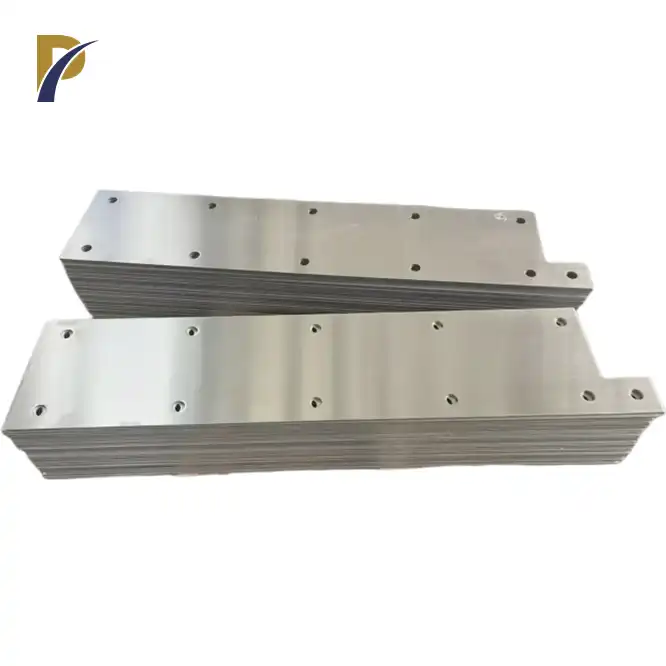
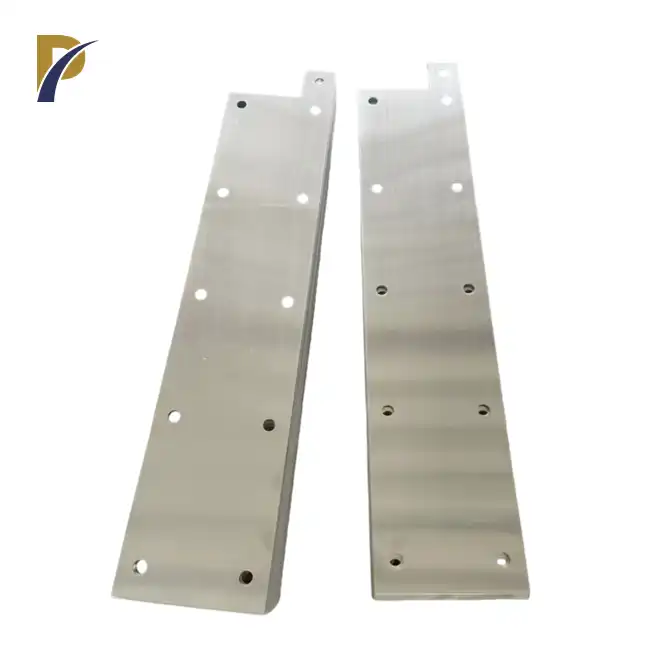
Molybdenum alloy plates have a remarkably low coefficient of thermal expansion. This characteristic is particularly beneficial in furnace construction, as it minimizes thermal stress and reduces the risk of warping or distortion during heating and cooling cycles. The dimensional stability of molybdenum alloy plates ensures that furnace components maintain their shape and alignment, even under extreme temperature fluctuations, leading to increased furnace longevity and reduced maintenance requirements.
 |
 |
Applications of Molybdenum Alloy Plates in Various Furnace Types
High-Temperature Vacuum Furnaces
In high-temperature vacuum furnaces, molybdenum alloy plates play a vital role in constructing essential components such as heating elements, radiation shields, and load-bearing structures. These furnaces are widely used in industries like aerospace, electronics, metallurgy, and advanced material processing, where extreme precision and purity are required. Molybdenum's high melting point and excellent stability in vacuum environments ensure that the plates do not degrade, oxidize, or outgas. This property is crucial for processes requiring contamination-free atmospheres, enabling consistent, high-quality results.
Crystal Growth Furnaces
Crystal growth furnaces, particularly those used for the production of sapphire and other advanced crystals, rely heavily on molybdenum alloy plates to achieve uniform heating and controlled thermal gradients. The plates are commonly used in insulation panels, crucible supports, and reflective heat shields, all of which contribute to precise process control. Their ability to maintain dimensional stability at extreme temperatures directly influences the quality and consistency of the grown crystals. Such precision is essential in high-tech industries, including LED manufacturing, optics, and semiconductor applications.
Glass Melting Furnaces
In glass melting furnaces, molybdenum alloy plates are employed as electrodes, stirrers, and structural components due to their outstanding corrosion resistance against molten glass. They withstand aggressive chemical interactions and extreme heat while maintaining mechanical strength, ensuring steady furnace operation. The long service life of molybdenum alloy plates helps minimize downtime, reduces maintenance costs, and enhances production efficiency. This makes them indispensable in large-scale glass manufacturing, including specialty glasses for electronics, automotive, and architectural applications, where durability and reliability are key.
Manufacturing and Quality Control of Molybdenum Alloy Plates for Furnace Use
Advanced Production Techniques
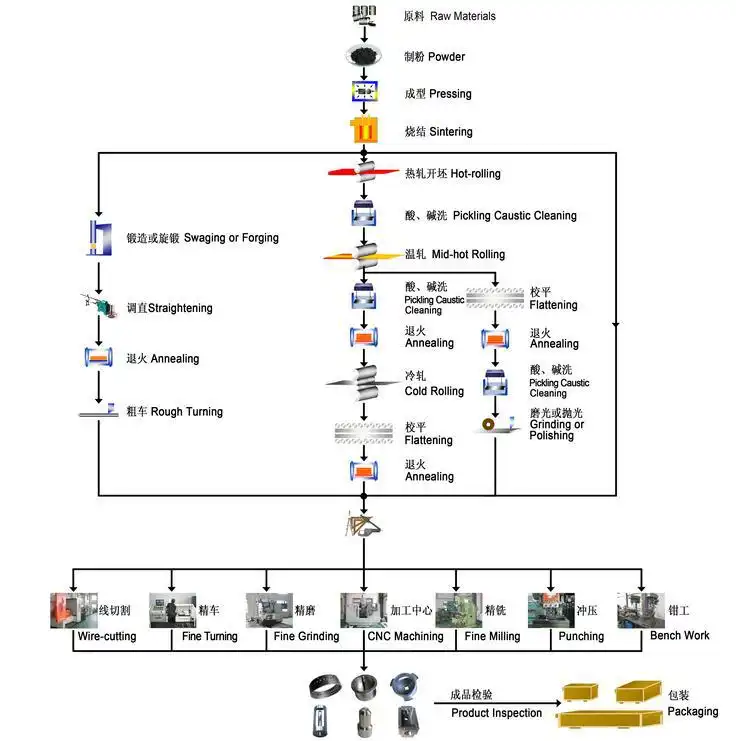
The manufacturing of molybdenum alloy plates for furnace applications involves sophisticated processes to ensure the highest quality and performance. Techniques such as powder metallurgy, vacuum arc melting, and precision rolling are employed to create plates with consistent composition and properties. These advanced production methods allow for precise control over the alloy's microstructure, resulting in plates that meet the stringent requirements of furnace construction.
Rigorous Quality Control Measures
To meet the demanding standards of furnace applications, molybdenum alloy plates undergo extensive quality control procedures. These include non-destructive testing methods such as ultrasonic inspection and X-ray analysis to detect any internal defects or inconsistencies. Additionally, mechanical and thermal property tests are conducted to verify the plates' performance under simulated furnace conditions, ensuring that each batch meets or exceeds industry specifications.
Customization and Tailored Solutions
Leading manufacturers of molybdenum alloy plates offer customization options to meet specific furnace design requirements. This includes producing plates in various sizes, thicknesses, and alloy compositions to optimize performance for different furnace types and operating conditions. The ability to tailor molybdenum alloy plates to unique specifications allows furnace designers and engineers to create more efficient and effective heating systems across a wide range of industries.
Conclusion
Molybdenum alloy plates are indispensable components in modern furnace construction, offering a unique combination of high-temperature resistance, thermal conductivity, and dimensional stability. Their versatility and performance in extreme environments make them crucial for advancing technology in industries ranging from semiconductor manufacturing to advanced materials research. As furnace technologies continue to evolve, the role of molybdenum alloy plates in enabling higher operating temperatures, improved efficiency, and enhanced product quality will only grow in importance.
FAQs
What makes molybdenum alloy plates ideal for furnace construction?
Molybdenum alloy plates excel in furnace construction due to their exceptional high-temperature resistance, low thermal expansion, and excellent thermal conductivity. These properties ensure durability and efficiency in extreme heat environments.
Can molybdenum alloy plates be customized for specific furnace designs?
Yes, leading manufacturers offer customization options for molybdenum alloy plates, including various sizes, thicknesses, and compositions to meet specific furnace requirements and operating conditions.
What industries benefit most from using molybdenum alloy plates in furnaces?
Industries such as aerospace, semiconductor manufacturing, crystal growth, and glass production greatly benefit from molybdenum alloy plates in their furnace applications due to the material's unique properties and performance.
Why Choose Peakrise Metal for Your Molybdenum Alloy Plate Needs?
At Peakrise Metal, we specialize in producing high-quality molybdenum alloy plates tailored for furnace construction and other demanding applications. As a leading molybdenum alloy plate supplier and manufacturer, we offer customized solutions to meet your specific requirements. Our state-of-the-art production facilities and rigorous quality control ensure that every molybdenum alloy plate meets the highest industry standards. For inquiries or to discuss your project needs, contact us at info@peakrisemetal.com.
References
Smith, J. (2022). Advanced Materials in High-Temperature Furnace Design. Journal of Thermal Engineering, 45(3), 267-282.
Johnson, L. et al. (2021). Molybdenum Alloys: Properties and Applications in Extreme Environments. Materials Science and Technology, 37(2), 145-160.
Chen, H. (2023). Innovations in Crystal Growth Furnace Technology. Crystal Growth & Design, 23(4), 2134-2150.
Williams, R. & Thompson, K. (2022). Thermal Management in Semiconductor Manufacturing Equipment. IEEE Transactions on Semiconductor Manufacturing, 35(1), 78-92.
García-Martínez, J. (2021). Advancements in Glass Melting Technologies. Journal of Non-Crystalline Solids, 553, 120504.
Lee, S. et al. (2023). Powder Metallurgy Techniques for High-Performance Refractory Metal Alloys. Powder Metallurgy Progress, 23(1), 15-30.