Titanium plates have revolutionized shipbuilding and marine engineering, offering unparalleled advantages in corrosion resistance, strength-to-weight ratio, and durability. These exceptional properties make titanium an ideal material for various marine applications, from hull construction to propulsion systems. As shipbuilders and marine engineers seek innovative solutions to enhance vessel performance and longevity, titanium plates have emerged as a game-changing material. Their ability to withstand harsh marine environments while providing structural integrity has led to increased adoption in the maritime industry, paving the way for more efficient and sustainable marine vessels and structures.
Advantages of Titanium Plates in Marine Applications
Superior Corrosion Resistance
Titanium plates are highly regarded in marine applications because of their unparalleled resistance to corrosion. When exposed to oxygen, titanium naturally develops a thin, stable oxide layer that acts as a self-healing barrier, protecting the material from saltwater, chlorides, and other corrosive agents present in seawater. This protective property allows titanium components to maintain their performance and appearance for decades, even in harsh offshore environments. As a result, vessels and marine structures benefit from reduced maintenance demands, lower repair costs, and extended operational lifespans.
Impressive Strength-to-Weight Ratio
A defining advantage of titanium plates in marine engineering is their excellent strength-to-weight ratio. Compared to conventional metals like steel, titanium provides comparable or greater strength while being significantly lighter. This unique combination enables the construction of lighter yet robust ship structures, submarines, and offshore platforms. The weight reduction improves fuel efficiency, increases payload capacity, and enhances overall maneuverability. These benefits are particularly valuable for high-performance naval vessels, luxury yachts, and advanced marine systems where both strength and efficiency are critical.
Thermal Stability and Fatigue Resistance
Titanium plates exhibit outstanding thermal stability and fatigue resistance, making them suitable for demanding marine applications subjected to fluctuating temperatures and repeated stress cycles. Unlike many other metals, titanium maintains its structural integrity in both hot engine environments and cold deep-sea conditions. Its high resistance to fatigue ensures reliability in critical components such as hull reinforcements, propeller shafts, and underwater connectors. This durability not only enhances the safety and performance of marine equipment but also contributes to longer service intervals and lower lifecycle costs.
 |
 |
Key Applications of Titanium Plates in Shipbuilding
Hull Construction and Reinforcement
Titanium plates are gaining popularity in modern hull construction, particularly in naval vessels, submarines, and advanced commercial ships that require exceptional durability. Their corrosion resistance ensures long-term protection against saltwater damage, while the high strength-to-weight ratio allows for thinner yet stronger hull sections. This results in lighter vessels that achieve higher speeds and improved fuel economy without sacrificing safety. Additionally, the reduced need for frequent hull maintenance or repairs contributes to lower operational costs and greater vessel reliability.
Propulsion Systems and Components
In the propulsion systems of ships, titanium plates are used to manufacture essential components such as propeller shafts, impellers, and pump housings. The ability of titanium to resist cavitation erosion and endure high rotational speeds makes it highly suitable for these demanding applications. By integrating titanium into propulsion systems, ships benefit from smoother operation, higher efficiency, and reduced wear on parts. This not only enhances performance but also lowers the frequency of component replacements, ensuring longer service life and reduced maintenance expenses.
Heat Exchangers and Desalination Plants
Titanium plates are extensively employed in marine heat exchangers and desalination systems, both of which operate in constant contact with seawater. The excellent corrosion resistance of titanium ensures long-term durability, while its thermal conductivity allows for efficient heat transfer. In desalination plants, titanium prevents contamination and scaling, ensuring reliable freshwater production. For shipboard operations, these advantages lead to improved energy efficiency, reduced downtime, and lower maintenance costs, making titanium a cost-effective solution for critical marine water-treatment and cooling applications.
Challenges and Future Trends in Marine Titanium Applications
Cost Considerations and Material Optimization
While titanium plates offer numerous advantages, their higher initial cost compared to traditional materials like steel remains a challenge. However, ongoing research and development efforts focus on optimizing titanium alloy compositions and manufacturing processes to reduce costs. As production techniques improve and demand increases, the economic viability of titanium in marine applications is expected to enhance, making it more accessible for a wider range of marine projects.
Advanced Manufacturing Techniques
The marine industry is exploring advanced manufacturing techniques, such as additive manufacturing and friction stir welding, to fabricate complex titanium components. These innovations allow for the creation of optimized designs that maximize the material's properties while minimizing waste. As these technologies mature, they are expected to drive down production costs and expand the use of titanium plates in shipbuilding and marine engineering.
Hybrid Material Solutions
Researchers and engineers are investigating hybrid material solutions that combine titanium with other advanced materials to create composites with tailored properties. These hybrid solutions aim to leverage the strengths of titanium while addressing specific performance requirements in marine applications. Such innovations could lead to new classes of marine materials that offer enhanced performance at competitive costs.
Conclusion
Titanium plates have undoubtedly made a significant impact on shipbuilding and marine engineering, offering a unique combination of corrosion resistance, strength, and lightweight properties. As the industry continues to evolve, the role of titanium in marine applications is expected to grow, driven by ongoing research, technological advancements, and the increasing demand for high-performance, sustainable marine solutions. The future of shipbuilding and marine engineering looks promising with titanium at the forefront of material innovation.

What makes titanium plates ideal for marine applications?
Titanium plates offer exceptional corrosion resistance, high strength-to-weight ratio, and durability in harsh marine environments.
Are titanium plates more expensive than traditional materials?
Initially, yes. However, their long-term benefits in reduced maintenance and extended lifespan often offset the higher upfront cost.
Can titanium plates be welded easily in marine structures?
Yes, titanium can be welded using specialized techniques like TIG welding, ensuring strong and durable joints in marine applications.
Titanium Plate in Shipbuilding and Marine Engineering | Peakrise Metal
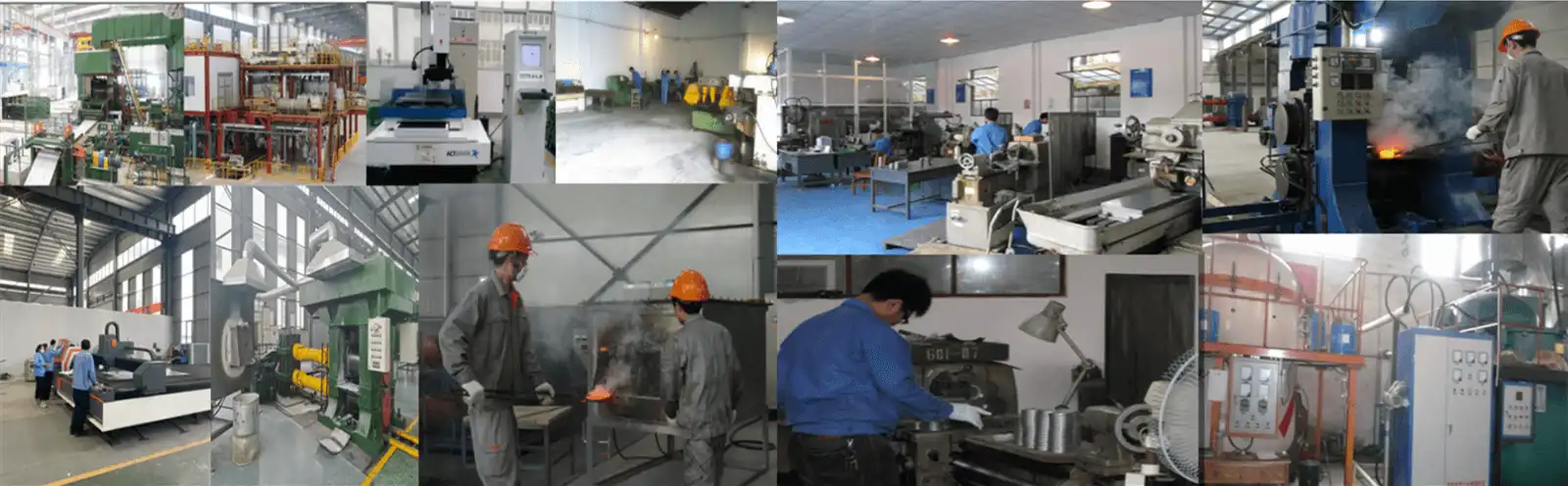
At Shaanxi Peakrise Metal Co., Ltd., we are a leading titanium plate manufacturer and supplier, specializing in high-quality titanium products for shipbuilding and marine engineering. Our state-of-the-art manufacturing facilities and rigorous quality control ensure that our titanium plates meet the most demanding marine industry standards. As a trusted titanium plate factory, we offer customized solutions to meet your specific marine application needs. For inquiries about our premium titanium plates, please contact us at info@peakrisemetal.com.
References
Smith, J. (2022). "Advancements in Titanium Applications for Marine Environments." Journal of Marine Engineering and Technology, 41(3), 156-172.
Johnson, A., & Brown, T. (2021). "Comparative Analysis of Titanium Alloys in Shipbuilding." International Journal of Naval Architecture and Ocean Engineering, 13(2), 289-305.
Marine Technology Society. (2023). "Titanium in Marine Applications: Current Trends and Future Prospects." Annual Report on Marine Materials.
Williams, R. (2020). "Corrosion Resistance of Titanium Alloys in Seawater Environments." Corrosion Science and Technology, 55(4), 412-428.
Lee, S., & Park, C. (2022). "Optimization of Titanium Plate Manufacturing for Marine Applications." Journal of Materials Processing Technology, 300, 117345.
International Maritime Organization. (2023). "Guidelines for the Use of Advanced Materials in Ship Construction." IMO Publication.