Titanium rod standards, primarily set by ASTM International and the International Organization for Standardization (ISO), play a crucial role in ensuring the quality, consistency, and reliability of titanium rods across various industries. These standards define the chemical composition, mechanical properties, and testing methods for titanium rods, providing a common language for manufacturers, suppliers, and end-users. Understanding these standards is essential for anyone involved in the production, procurement, or application of titanium rods, as they guide material selection, quality control, and performance expectations in critical applications ranging from aerospace to medical implants.
Understanding ASTM Standards for Titanium Rods
ASTM B348: Standard Specification for Titanium and Titanium Alloy Bars and Billets
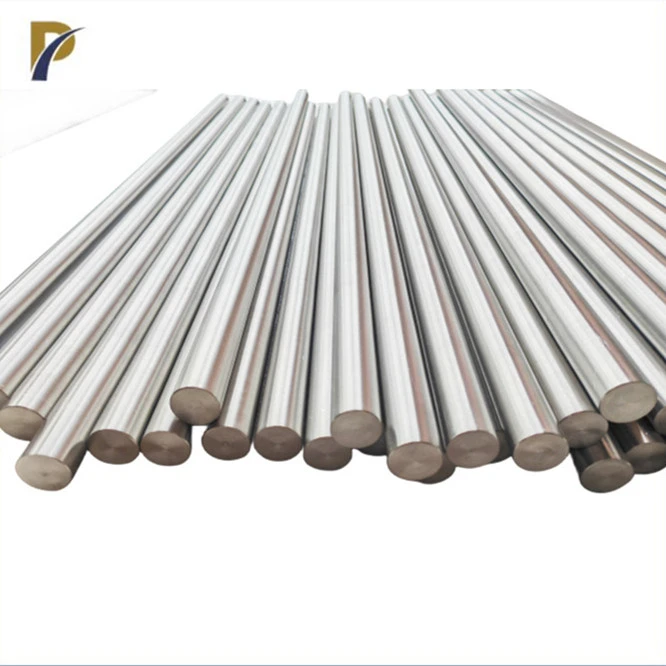
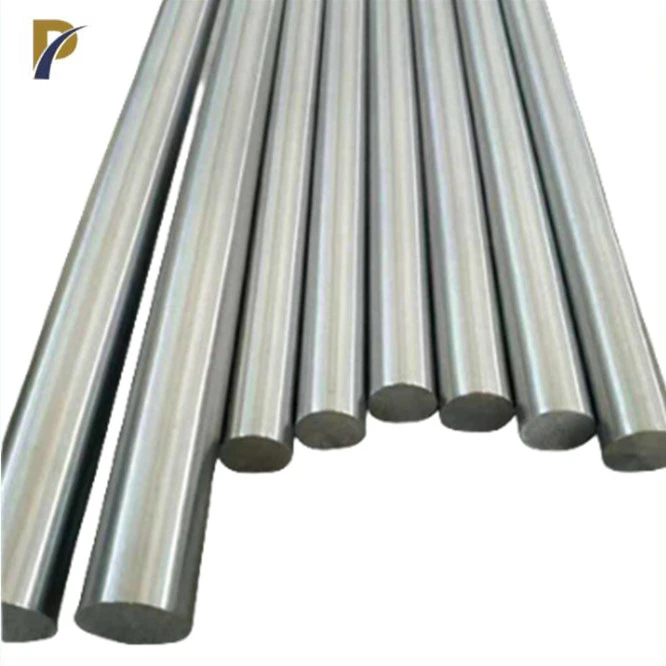
ASTM B348 is a fundamental standard that covers titanium and titanium alloy bars and billets for general and aerospace applications. This specification outlines the requirements for various grades of titanium, including the popular Grade 2 (commercially pure titanium) and Grade 5 (Ti-6Al-4V alloy). It defines the chemical composition limits, mechanical properties, and dimensional tolerances for titanium rods, ensuring consistency across different manufacturers.
ASTM F67: Standard Specification for Unalloyed Titanium for Surgical Implant Applications
For medical applications, ASTM F67 is particularly important. This standard focuses on unalloyed titanium used in surgical implants, specifying the chemical and mechanical requirements for different grades of titanium suitable for biomedical applications. It ensures that titanium rods used in medical devices meet the stringent requirements for biocompatibility and mechanical performance.
ASTM F136: Standard Specification for Wrought Titanium-6Aluminum-4Vanadium ELI (Extra Low Interstitial) Alloy for Surgical Implant Applications
ASTM F136 is specific to the Ti-6Al-4V ELI alloy, which is widely used in medical implants due to its excellent combination of strength, corrosion resistance, and biocompatibility. This standard sets forth the requirements for chemical composition, mechanical properties, and microstructure of this high-performance titanium alloy, ensuring its suitability for critical medical applications.
 |
 |
ISO Standards for Titanium Rods: A Global Perspective
ISO 5832-2: Implants for surgery - Metallic materials - Part 2: Unalloyed titanium
ISO 5832-2 is the international counterpart to ASTM F67, focusing on unalloyed titanium for surgical implants. This standard provides specifications for the chemical composition, mechanical properties, and microstructure of unalloyed titanium used in medical devices. It ensures that titanium rods intended for medical applications meet global standards for safety and performance.
ISO 5832-3: Implants for surgery - Metallic materials - Part 3: Wrought titanium 6-aluminium 4-vanadium alloy
Similar to ASTM F136, ISO 5832-3 specifies the requirements for the Ti-6Al-4V alloy used in surgical implants. This standard is crucial for manufacturers and suppliers operating in the global market, as it provides internationally recognized specifications for this widely used titanium alloy.
ISO 9001: Quality Management Systems - Requirements
While not specific to titanium rods, ISO 9001 is a crucial standard for manufacturers and suppliers. It sets out the criteria for a quality management system, ensuring that organizations can consistently provide products that meet customer and regulatory requirements. For titanium rod manufacturers, compliance with ISO 9001 demonstrates a commitment to quality and continuous improvement.
Importance of Standards Compliance in Titanium Rod Manufacturing
Ensuring Product Quality and Consistency
Adherence to ASTM and ISO standards is essential for maintaining product quality and consistency in titanium rod manufacturing. These standards provide benchmarks for chemical composition, mechanical properties, and dimensional tolerances, allowing manufacturers to produce titanium rods that meet specific performance criteria. By following these standards, manufacturers can ensure that their products are reliable and suitable for their intended applications.
Facilitating Global Trade and Interoperability
International standards like those set by ISO facilitate global trade in titanium rods by providing a common language and set of specifications. This standardization allows manufacturers to produce products that are recognized and accepted worldwide, reducing barriers to international trade. For buyers, these standards provide assurance that titanium rods from different suppliers will be interchangeable and meet their performance requirements.
Meeting Industry-Specific Requirements
Different industries have unique requirements for titanium rods, and standards help ensure that these specific needs are met. For example, the aerospace industry relies on standards like AMS 4928 for titanium alloy bars and forgings, while the medical industry depends on ASTM F67 and F136 for implant-grade titanium. Compliance with these standards is often mandatory for suppliers serving these specialized markets, ensuring that titanium rods meet the rigorous demands of critical applications.

Conclusion
Understanding and adhering to ASTM and ISO standards is crucial for manufacturers, suppliers, and users of titanium rods. These standards ensure product quality, consistency, and suitability for various applications, from aerospace to medical implants. By complying with these internationally recognized specifications, companies can demonstrate their commitment to excellence, facilitate global trade, and meet the exacting requirements of diverse industries. As titanium continues to play a vital role in advanced technologies, the importance of these standards in guiding production and ensuring performance will only grow.
FAQsWhat are the main differences between ASTM and ISO standards for titanium rods?
While both organizations provide comprehensive standards, ASTM standards are more widely used in North America, whereas ISO standards have broader international acceptance. ASTM standards often provide more detailed specifications for specific alloys and applications, while ISO standards tend to offer a more global perspective.
How often are titanium rod standards updated?
Standards are typically reviewed every 5-8 years, but updates can occur more frequently if significant technological advancements or industry needs arise. It's important for manufacturers and users to stay informed about the latest revisions to ensure compliance.
Are there specific standards for titanium rods used in marine applications?
While there isn't a single standard specifically for marine use, grades like ASTM B265 Grade 2 are often used due to their excellent corrosion resistance in saltwater environments. The choice of standard depends on the specific requirements of the marine application.
Quality Titanium Rods | Peakrise Metal
At Shaanxi Peakrise Metal Co., Ltd., we pride ourselves on manufacturing high-quality titanium rods that meet and exceed ASTM and ISO standards. As a leading titanium rod supplier and manufacturer, we offer a wide range of grades and specifications to meet diverse industry needs. Our state-of-the-art production facilities and rigorous quality control ensure that every titanium rod we produce meets the highest standards of excellence. For inquiries about our titanium rod products or custom solutions, please contact us at info@peakrisemetal.com.
References
ASTM International. (2020). "ASTM B348 - Standard Specification for Titanium and Titanium Alloy Bars and Billets." ASTM International.
International Organization for Standardization. (2018). "ISO 5832-2:2018 Implants for surgery — Metallic materials — Part 2: Unalloyed titanium." ISO.
ASTM International. (2019). "ASTM F67 - Standard Specification for Unalloyed Titanium for Surgical Implant Applications." ASTM International.
International Organization for Standardization. (2016). "ISO 5832-3:2016 Implants for surgery — Metallic materials — Part 3: Wrought titanium 6-aluminium 4-vanadium alloy." ISO.
ASTM International. (2021). "ASTM F136 - Standard Specification for Wrought Titanium-6Aluminum-4Vanadium ELI (Extra Low Interstitial) Alloy for Surgical Implant Applications." ASTM International.
SAE International. (2017). "AMS4928: Titanium Alloy Bars, Wire, Forgings, and Rings 6Al - 4V Annealed." SAE International.