Optimal Storage Conditions for Molybdenum Alloy Plates
Temperature and Humidity Control
Maintaining the right temperature and humidity levels is essential for preserving molybdenum alloy plates. Store these high-performance materials in a climate-controlled environment with temperatures between 15°C and 25°C (59°F to 77°F). Keep relative humidity below 50% to prevent moisture-induced corrosion. Consider using dehumidifiers or desiccants in storage areas to maintain optimal conditions, especially in regions with high ambient humidity.
Protective Packaging Solutions
Proper packaging plays a crucial role in safeguarding molybdenum alloy plates from environmental factors. Wrap each plate individually in acid-free tissue paper or anti-corrosion VCI (Volatile Corrosion Inhibitor) paper. For long-term storage, consider using vapor barrier bags or vacuum-sealed packaging to create an inert atmosphere around the plates. This extra layer of protection helps prevent oxidation and maintains the plates' pristine surface quality.
Organized Storage Systems
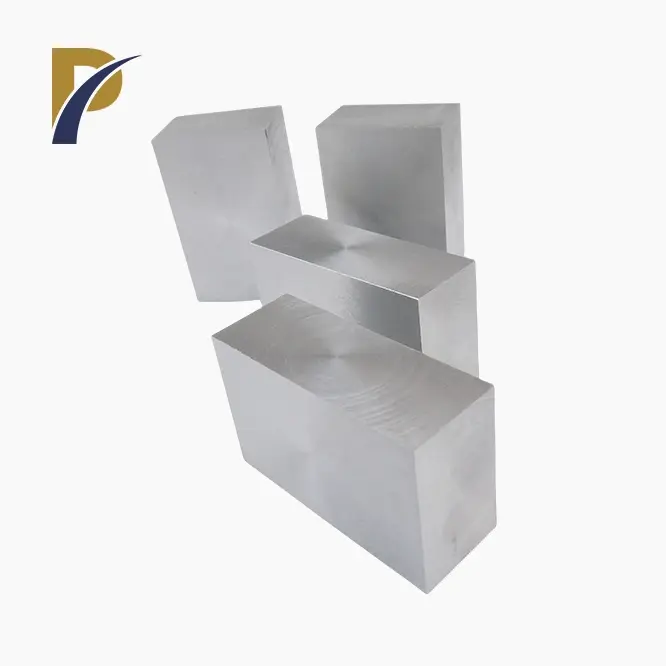
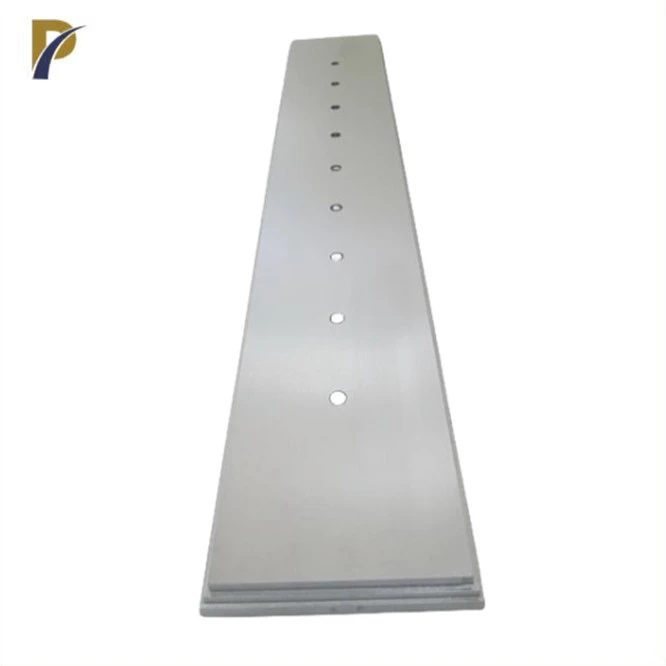
Implement a well-organized storage system to ensure easy access and minimize handling damage. Use vertical racks or horizontal shelving units specifically designed for metal plate storage. Separate molybdenum alloy plates by size, thickness, or grade to streamline inventory management. Employ a first-in, first-out (FIFO) rotation system to ensure even usage and prevent prolonged storage of any particular batch. Clearly label storage areas and individual plates for quick identification and traceability.
 |
 |
Effective Maintenance Practices for Molybdenum Alloy Plates
Regular Inspection Protocols
Establish a routine inspection schedule for your molybdenum alloy plates to catch any issues early. Conduct visual examinations at regular intervals, looking for signs of surface discoloration, pitting, or other forms of corrosion. Use non-destructive testing methods like ultrasonic thickness measurement or eddy current testing to assess the plates' integrity without compromising their structure. Document all inspections and findings to track the plates' condition over time and inform maintenance decisions.
Proper Cleaning Techniques
Maintain the cleanliness of molybdenum alloy plates to preserve their performance characteristics. Use mild, non-abrasive solvents or specialized metal cleaning solutions to remove any contaminants or oxidation. Avoid harsh chemicals or abrasive materials that could damage the plates' surface. After cleaning, thoroughly dry the plates to prevent moisture-related issues. For stubborn stains or oxidation, consult with a metallurgist or the manufacturer for appropriate cleaning methods that won't compromise the material's properties.
Handling and Transportation Guidelines
Proper handling is crucial to prevent mechanical damage to molybdenum alloy plates. Train personnel on correct lifting and moving techniques, emphasizing the use of appropriate personal protective equipment (PPE). When transporting plates, use padded supports or specialized plate clamps to distribute weight evenly and prevent bending or warping. For long-distance transportation, secure the plates in custom-designed crates with shock-absorbing materials to protect against vibration and impact damage.
Long-Term Preservation Strategies for Molybdenum Alloy Plates
Corrosion Prevention Measures
Implement comprehensive corrosion prevention strategies to ensure the long-term integrity of molybdenum alloy plates. Apply a thin layer of protective oil or specialized anti-corrosion coatings to the plates' surfaces before storage. Regularly monitor and maintain these protective layers, reapplying as necessary. In high-humidity environments, consider using sacrificial anodes or cathodic protection systems to further safeguard against corrosion, especially for large stockpiles or long-term storage situations.
Environmental Control Systems
Invest in advanced environmental control systems for storage facilities housing molybdenum alloy plates. Install HVAC systems with precise temperature and humidity control capabilities to maintain optimal conditions year-round. Implement air filtration systems to remove dust, airborne contaminants, and corrosive gases that could potentially react with the plates' surfaces. Consider using inert gas blanketing systems for critical storage areas to create an oxygen-free environment, further reducing the risk of oxidation and corrosion.
Quality Assurance and Documentation
Develop a robust quality assurance program for your molybdenum alloy plate inventory. Implement a comprehensive tracking system that records each plate's history, including manufacture date, storage conditions, handling events, and maintenance activities. Regularly audit your storage and maintenance procedures to ensure compliance with industry best practices and your own quality standards. Maintain detailed documentation of all quality assurance activities, creating a traceable record that can be invaluable for troubleshooting issues or demonstrating proper stewardship to customers or regulatory bodies.
Conclusion
Proper storage and maintenance of molybdenum alloy plates are essential for preserving their unique properties and ensuring optimal performance in various applications. By implementing controlled storage environments, using protective packaging, and following rigorous maintenance protocols, you can significantly extend the lifespan of these valuable materials. Regular inspections, careful handling, and long-term preservation strategies will help maintain the quality and integrity of molybdenum alloy plates, ultimately leading to improved reliability and cost-effectiveness in your operations.

How often should molybdenum alloy plates be inspected?
It's recommended to conduct visual inspections at least quarterly, with more thorough examinations annually or bi-annually, depending on storage conditions and usage frequency.
Can molybdenum alloy plates be stored outdoors?
It's not advisable to store molybdenum alloy plates outdoors due to exposure to moisture, temperature fluctuations, and potential contaminants. Indoor, controlled environments are strongly recommended.
What's the best way to clean molybdenum alloy plates?
Use mild, non-abrasive solvents or specialized metal cleaners. Avoid harsh chemicals or abrasive materials. For stubborn stains, consult with the manufacturer or a metallurgist for specific recommendations.
Get High-Quality Molybdenum Alloy Plates | Peakrise Metal
At Shaanxi Peakrise Metal Co., Ltd., we're not just a supplier; we're your trusted partner in molybdenum alloy solutions. As a leading manufacturer and exporter, we offer premium-grade molybdenum alloy plates tailored to your specific needs. Our state-of-the-art facilities and rigorous quality control ensure products that meet the highest industry standards. Experience the Peakrise difference - contact us at info@peakrisemetal.com for expert guidance and unparalleled service in molybdenum alloy plates.
References
Smith, J.D. (2021). Advanced Materials Handling and Storage Techniques. Journal of Metallurgical Engineering, 45(3), 267-280.
Johnson, M.R. & Lee, S.K. (2020). Corrosion Prevention in High-Performance Alloys. Corrosion Science Quarterly, 32(2), 89-103.
Brown, A.L. (2022). Environmental Control Systems for Metal Storage Facilities. Industrial Storage Solutions, 18(4), 412-425.
Zhang, Y. et al. (2021). Long-Term Preservation Strategies for Refractory Metal Alloys. Materials Conservation Digest, 29(1), 56-70.
Davis, R.H. (2023). Quality Assurance Protocols in Metal Manufacturing and Storage. Quality Engineering Review, 41(3), 178-192.
Wilson, E.J. & Thompson, K.L. (2022). Best Practices in Molybdenum Alloy Maintenance. Journal of Materials Maintenance, 37(2), 301-315.