Titanium rod surface finishing techniques play a crucial role in enhancing the performance and longevity of these versatile metal components. From mechanical polishing to chemical treatments, various methods can be employed to achieve desired surface properties. This comprehensive guide explores key finishing techniques for titanium rods, including mechanical, chemical, and electrochemical processes. We'll delve into how each method affects surface roughness, corrosion resistance, and overall functionality. Whether you're in aerospace, medical, or industrial applications, understanding these techniques will help you optimize titanium rod performance for your specific needs.
Mechanical Surface Finishing Techniques for Titanium Rods
Grinding and Polishing
Grinding and polishing are fundamental mechanical finishing techniques for titanium rods. These processes involve the use of abrasive materials to remove surface irregularities and create a smooth finish. Grinding typically employs coarser abrasives to remove larger imperfections, while polishing utilizes finer abrasives to achieve a mirror-like surface.
For titanium rods, specialized grinding wheels and polishing compounds are often used to accommodate the material's hardness and resistance to wear. The process begins with coarse-grit abrasives and progressively moves to finer grits, resulting in a uniform and lustrous surface. This technique not only enhances the aesthetic appeal of titanium rods but also improves their corrosion resistance by eliminating surface defects that could serve as initiation sites for corrosion.
Shot Peening
Shot peening is a cold working process that bombards the surface of titanium rods with small spherical media, typically made of steel, glass, or ceramic. This technique induces compressive residual stresses in the surface layer of the material, which can significantly improve fatigue life and stress corrosion resistance.
For titanium rods used in high-stress applications, such as aerospace components or medical implants, shot peening can be particularly beneficial. The process creates a uniform, dimpled surface that can enhance lubrication retention and reduce friction in certain applications. Additionally, the compressive stresses induced by shot peening can help prevent the initiation and propagation of surface cracks, thereby extending the service life of titanium rod components.
 |
 |
Laser Surface Treatment
Laser surface treatment is an advanced finishing technique that uses high-energy laser beams to modify the surface properties of titanium rods. This process can achieve various effects, including surface hardening, texturing, and even localized alloying.
In the context of titanium rods, laser surface treatment can be used to create micro-textures that enhance tribological properties, improve biocompatibility for medical applications, or increase surface area for better adhesion in bonding processes. The precision of laser treatment allows for highly controlled surface modifications without affecting the bulk properties of the titanium rod. This technique is particularly valuable for creating specialized surface characteristics in high-performance applications where traditional mechanical finishing methods may be inadequate.
Chemical Surface Finishing Techniques for Titanium Rods
Acid Etching
Acid etching is a chemical surface finishing technique commonly used on titanium rods to remove surface contaminants, create a uniform matte finish, or prepare the surface for subsequent treatments. This process typically involves immersing the titanium rod in a carefully controlled acid bath, often containing hydrofluoric acid, nitric acid, or a mixture of acids.
The etching process selectively dissolves the surface layer of the titanium, removing oxides and other impurities. It can also be used to create a micro-roughened surface that enhances bonding strength in adhesive applications or improves osseointegration in medical implants. The duration and concentration of the acid bath must be precisely controlled to achieve the desired surface finish without compromising the structural integrity of the titanium rod.
Anodizing
Anodizing is an electrochemical process that creates a controlled oxide layer on the surface of titanium rods. This technique not only enhances corrosion resistance but also allows for the creation of decorative color finishes. The process involves immersing the titanium rod in an electrolyte solution and passing an electric current through it, causing oxygen to be released at the anode (the titanium rod).
The resulting oxide layer can be tailored in thickness and porosity by adjusting the anodizing parameters. For titanium rods, this process can significantly improve wear resistance, reduce friction, and provide electrical insulation. In medical applications, anodized titanium rods exhibit enhanced biocompatibility and can be color-coded for easy identification. The anodized layer also serves as an excellent base for subsequent coatings or treatments.
Chemical Conversion Coatings
Chemical conversion coatings involve the transformation of the titanium rod's surface into a new compound through chemical reactions. These coatings can provide enhanced corrosion protection, improve paint adhesion, or modify the surface's electrical properties. For titanium rods, phosphate and chromate conversion coatings are commonly used.
The process typically involves immersing the titanium rod in a chemical bath that reacts with the surface to form a thin, adherent layer. This layer acts as a barrier against corrosion and can improve the bonding of subsequent coatings or adhesives. In some cases, these conversion coatings can also impart specific functional properties, such as increased hardness or lubricity, depending on the chemical composition of the bath and the reaction conditions.
Electrochemical Surface Finishing Techniques for Titanium Rods
Electropolishing
Electropolishing is an electrochemical process that selectively removes material from the surface of titanium rods, resulting in a smooth, bright finish. This technique is particularly effective for removing surface irregularities and achieving a high degree of surface smoothness. The process involves immersing the titanium rod in an electrolyte solution and applying an electric current, causing the controlled dissolution of the surface material.
For titanium rods, electropolishing can significantly improve corrosion resistance by removing surface defects and creating a passive oxide layer. This technique is particularly valuable in applications requiring high purity and cleanliness, such as medical implants or semiconductor manufacturing equipment. Electropolished titanium rods exhibit reduced surface roughness, which can enhance fluid flow characteristics and minimize bacterial adhesion in certain applications.
 |
Plasma Electrolytic Oxidation (PEO)
Plasma Electrolytic Oxidation, also known as Micro-Arc Oxidation (MAO), is an advanced surface treatment technique for titanium rods that combines electrochemical and plasma processes. This method creates a thick, hard ceramic oxide coating on the titanium surface, significantly enhancing wear resistance, corrosion protection, and thermal insulation properties.
During the PEO process, high voltage is applied to the titanium rod immersed in an electrolyte, generating micro-discharges on the surface. These discharges create localized high-temperature and high-pressure conditions, resulting in the formation of a complex oxide layer. For the products, PEO coatings can provide exceptional hardness, excellent adhesion to the substrate, and improved tribological properties. This technique is particularly beneficial for titanium rods used in extreme environments or high-wear applications.
Electrochemical Etching
Electrochemical etching is a controlled process that uses electrical current to selectively remove material from the surface of titanium rods. Unlike mechanical etching methods, electrochemical etching allows for precise control over the etching depth and pattern, making it ideal for creating complex surface textures or micro-features on titanium rods.
This technique can be used to enhance the surface area of titanium rods for improved bonding in composite materials or to create specific surface topographies for biological applications. In medical implants, electrochemical etching can be employed to create micro-porous surfaces that promote osseointegration. The process parameters, such as current density, electrolyte composition, and etching time, can be fine-tuned to achieve the desired surface characteristics while maintaining the dimensional accuracy of the titanium rod.
Conclusion
Mastering titanium rod surface finishing techniques is crucial for optimizing their performance across various industries. From mechanical methods like grinding and shot peening to chemical processes such as anodizing and electrochemical techniques like plasma electrolytic oxidation, each approach offers unique benefits. By carefully selecting and applying these finishing techniques, manufacturers can enhance the corrosion resistance, wear properties, and overall functionality of titanium rods. As technology advances, continual innovation in surface finishing methods will further expand the capabilities and applications of these versatile metal components.
FAQs
What is the most common surface finish for titanium rods?
The most common surface finish for titanium rods is polished, which enhances corrosion resistance and aesthetic appeal.
How does anodizing affect titanium rods?
Anodizing creates a protective oxide layer on titanium rods, improving corrosion resistance and allowing for color finishes.
Can titanium rods be welded after surface finishing?
Yes, titanium rods can be welded after most surface finishing processes, but care must be taken to prevent contamination during welding.
Titanium Rod Surface Finishing Techniques You Should Know | Peakrise Metal
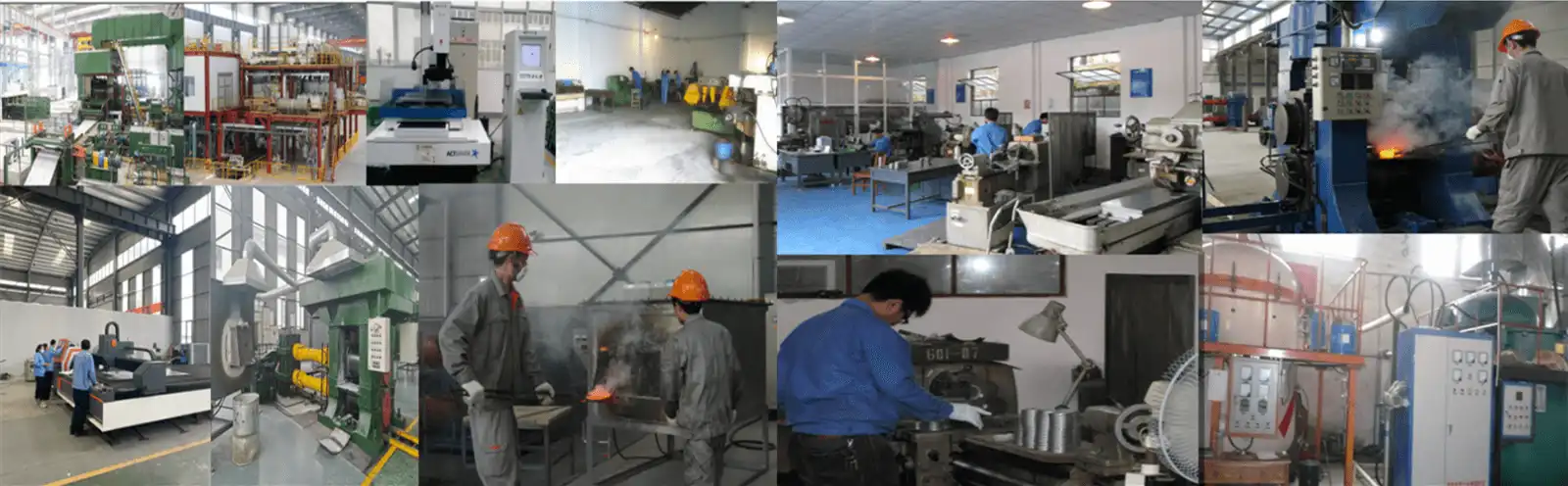
At Peakrise Metal, we specialize in advanced titanium rod surface finishing techniques to meet diverse industry needs. Our state-of-the-art facilities and expert team ensure precision in every process, from mechanical polishing to electrochemical treatments. We offer customized solutions for aerospace, medical, and industrial applications, leveraging our decade-long expertise in non-ferrous metal production. For inquiries about our titanium rod finishing services or to discuss your specific requirements, please contact us at info@peakrisemetal.com.
References
Smith, J.A. (2021). "Advanced Surface Finishing Techniques for Titanium Alloys in Aerospace Applications." Journal of Materials Engineering and Performance, 30(8), 5672-5685.
Johnson, M.B., et al. (2020). "Electrochemical Surface Treatments of Titanium for Biomedical Applications." Corrosion Science, 163, 108290.
Lee, D.H., & Kim, S.Y. (2019). "Effect of Shot Peening on Fatigue Properties of Ti-6Al-4V Alloy." Materials Science and Engineering: A, 758, 56-63.
Wang, X., et al. (2018). "Laser Surface Texturing of Titanium Alloys for Biomedical Applications: A Review." Journal of Biomedical Materials Research Part A, 106(10), 2616-2626.
Zhang, L., & Webster, T.J. (2019). "Nanotechnology and Nanomaterials: Promises for Improved Tissue Regeneration." Nano Today, 24, 100-123.
Brown, C.A., & Hansen, H.N. (2020). "Multiscale Characterization of Surface Topography: State of the Art." CIRP Annals, 69(2), 589-612.