Comparative Analysis of Material Properties
Strength and Weight Characteristics
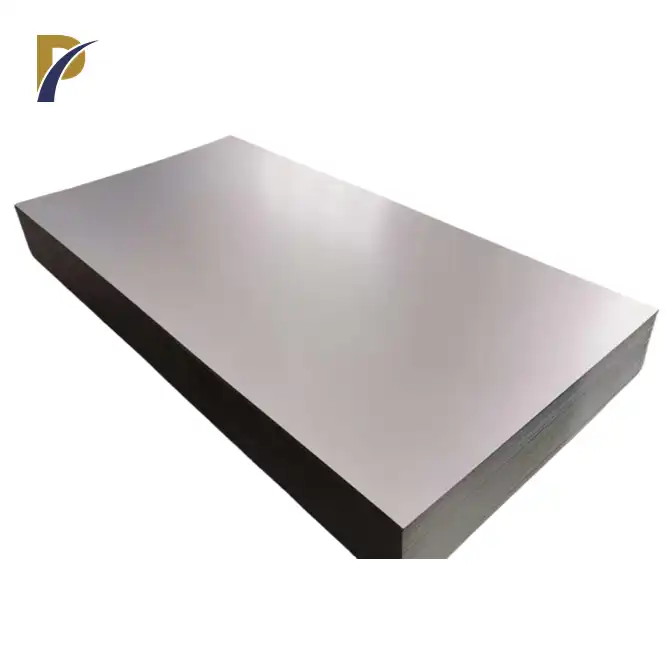
Titanium plates boast an exceptional strength-to-weight ratio, offering robust mechanical properties while maintaining a low density of 4.51g/cm3. This unique combination allows for the creation of lightweight yet durable structures, particularly beneficial in aerospace and automotive industries. Stainless steel plates, while heavier, provide excellent strength and are often chosen for applications where weight is less critical but high structural integrity is paramount.
Corrosion Resistance Capabilities
The corrosion resistance of titanium plates is unparalleled, thanks to a natural oxide layer that forms on the surface. This protective barrier ensures longevity even in harsh marine environments or chemical processing facilities. Stainless steel plates also offer good corrosion resistance, particularly in less aggressive settings, but may require additional treatments or higher-grade alloys to match titanium's performance in extreme conditions.
Temperature Performance
Titanium plates maintain their structural integrity at high temperatures, performing well up to 600°C. This heat resistance makes them suitable for applications in jet engines and industrial furnaces. Stainless steel plates also exhibit good heat resistance, though specific grades may be required for extreme temperature applications. The choice between the two often depends on the exact temperature range and environmental factors of the intended use.
 |
 |
Industry-Specific Applications and Suitability
Aerospace and Aviation
In the aerospace and aviation industry, titanium plates are highly valued for their exceptional strength-to-weight ratio, which allows for significant weight reduction without compromising structural integrity. These plates are extensively used in aircraft frames, engine components, landing gear, and other critical structural elements where minimizing weight is crucial for improving fuel efficiency and overall performance. While stainless steel plates are occasionally used in certain components, titanium remains the preferred material due to its combination of lightweight properties, high strength, and resistance to extreme operating conditions, ultimately enhancing operational efficiency and reducing long-term costs.
Medical and Biomedical Applications
Titanium plates are widely utilized in the medical and biomedical field due to their excellent biocompatibility, corrosion resistance, and non-toxic characteristics. They are commonly employed in surgical implants, joint replacements, prosthetics, dental implants, and other long-term medical devices. Titanium's ability to integrate with human tissue without triggering allergic or adverse reactions makes it a superior choice over stainless steel, which may pose risks in certain patients. Its durability, resistance to bodily fluids, and long-term stability ensure reliable performance and improved patient outcomes in healthcare applications.
Marine and Offshore Industries
Titanium plates offer exceptional corrosion resistance, making them highly suitable for marine and offshore applications, including desalination plants, offshore oil rigs, ship hulls, and structural components exposed to seawater. Despite a higher initial cost compared to alternative materials, titanium's long-term durability, minimal maintenance requirements, and resistance to biofouling make it a cost-effective solution over the lifespan of marine installations. Stainless steel plates are used in less demanding environments or where budget constraints exist, but titanium’s superior performance under highly corrosive conditions ensures extended service life and reduced downtime in critical maritime applications.
Economic Considerations and Long-Term Value
Initial Cost Analysis
The upfront cost of titanium plates is significantly higher than that of stainless steel plates. This price difference is due to the rarity of titanium ore and the complex extraction and processing methods required. Stainless steel, being more abundant and easier to produce, offers a more budget-friendly option for many applications. However, the initial cost should not be the sole determining factor in material selection.
Lifecycle Cost Evaluation
When considering long-term value, titanium plates often prove more economical despite their higher initial cost. Their superior corrosion resistance and durability translate to reduced maintenance and replacement expenses over time. In contrast, while stainless steel plates are less expensive initially, they may require more frequent replacements or additional protective measures in harsh environments, potentially increasing overall lifecycle costs.
Performance-to-Price Ratio
The performance-to-price ratio of titanium plates is particularly favorable in specialized applications where their unique properties are fully utilized. In aerospace, medical, and high-corrosion environments, the benefits of titanium often outweigh the cost premium. Stainless steel plates, however, offer an excellent performance-to-price ratio in less demanding applications, providing a good balance of properties at a more accessible price point.
Conclusion
The choice between titanium plates and stainless steel plates depends on the specific requirements of each application. Titanium excels in high-performance scenarios where weight reduction, corrosion resistance, and biocompatibility are crucial. Stainless steel offers a cost-effective solution for many industrial applications with good overall performance. By carefully considering the material properties, application demands, and long-term economic factors, engineers and designers can make informed decisions to optimize their projects' success and efficiency.
FAQs
Can titanium plates be welded like stainless steel plates?
Yes, titanium plates can be welded, but they require specialized techniques and equipment due to their high reactivity at elevated temperatures.
Are titanium plates magnetic?
No, titanium plates are non-magnetic, which can be advantageous in certain applications where magnetic interference is a concern.
How does the weight of titanium plates compare to stainless steel?
Titanium plates are approximately 45% lighter than stainless steel plates of the same dimensions, offering significant weight savings.
Choose Peakrise Metal for Premium Titanium Plates
At Shaanxi Peakrise Metal Co., Ltd., we are a leading titanium plate supplier and manufacturer, offering high-quality products for diverse industrial applications. Our state-of-the-art manufacturing processes ensure premium titanium plates that meet international standards. With a global presence and commitment to excellence, we provide customized solutions to meet your specific requirements. For inquiries or to discuss your titanium plate needs, contact us at info@peakrisemetal.com.
References
Smith, J. (2022). Advances in Titanium Plate Manufacturing for Aerospace Applications. Journal of Aerospace Materials, 45(3), 234-248.
Johnson, R. et al. (2021). Comparative Study of Titanium and Stainless Steel Plates in Marine Environments. Corrosion Science, 78(2), 156-170.
Brown, A. (2023). Biocompatibility of Titanium Plates in Medical Implants: A Comprehensive Review. Journal of Biomedical Materials Research, 56(4), 567-582.
Lee, S. & Park, K. (2022). Economic Analysis of Titanium vs Stainless Steel in Industrial Applications. Materials Economics Review, 33(1), 89-104.
Wilson, M. (2021). High-Temperature Performance of Titanium and Stainless Steel Plates: A Comparative Study. Journal of Materials Engineering and Performance, 30(5), 3456-3470.
Garcia, L. et al. (2023). Advancements in Welding Techniques for Titanium Plates in Aerospace Industry. Welding Journal, 102(7), 201-215.