Zirconium rod machining requires specialized tools and techniques due to the unique properties of this high-performance metal. Known for its exceptional corrosion resistance and strength, zirconium presents both challenges and opportunities in machining processes. This article explores the essential tools, cutting-edge techniques, and best practices for effectively working with zirconium rods. From selecting the right cutting tools to optimizing machining parameters, we'll cover everything you need to know to achieve precise, efficient results when machining zirconium rods for various industrial applications.
Essential Tools for Zirconium Rod Machining
Cutting Tool Materials
Selecting the appropriate cutting tool material is essential for efficient and precise machining of zirconium rods. Carbide tools are commonly favored due to their high hardness, excellent wear resistance, and ability to maintain sharp cutting edges under demanding conditions. For high-precision applications, polycrystalline diamond (PCD) tools can offer superior performance and surface quality. The tool material must endure the heat generated during cutting while preserving edge integrity and dimensional accuracy, ensuring reliable results in critical applications such as aerospace, nuclear, and chemical industries where zirconium rods are frequently utilized.
Specialized Cutting Geometries
Zirconium's propensity for work hardening requires cutting tools with carefully designed geometries to optimize machining performance. Tools featuring sharp, positive rake angles help reduce cutting forces, improve chip evacuation, and minimize material deformation. Incorporating a small nose radius and high-positive rake angles allows machinists to achieve smoother surface finishes while preventing excessive work hardening on zirconium rods. Selecting the correct tool geometry is critical for maintaining dimensional accuracy, extending tool life, and achieving consistent quality in components used for high-performance applications in medical, aerospace, and chemical industries.
Coolant Delivery Systems
Proper coolant application plays a vital role in zirconium rod machining to control temperature, reduce tool wear, and improve surface finish. High-pressure coolant systems that deliver coolant directly to the cutting zone enhance chip removal and thermal management. Advanced machining centers may incorporate through-tool coolant delivery, particularly advantageous for deep hole drilling, internal turning, and intricate operations on zirconium rods. By optimizing coolant strategies, engineers can prevent heat buildup, minimize work hardening, and achieve precise tolerances, ensuring reliable and consistent performance of zirconium components in demanding industrial applications.
Advanced Machining Techniques for Zirconium Rods
High-Speed Machining (HSM)
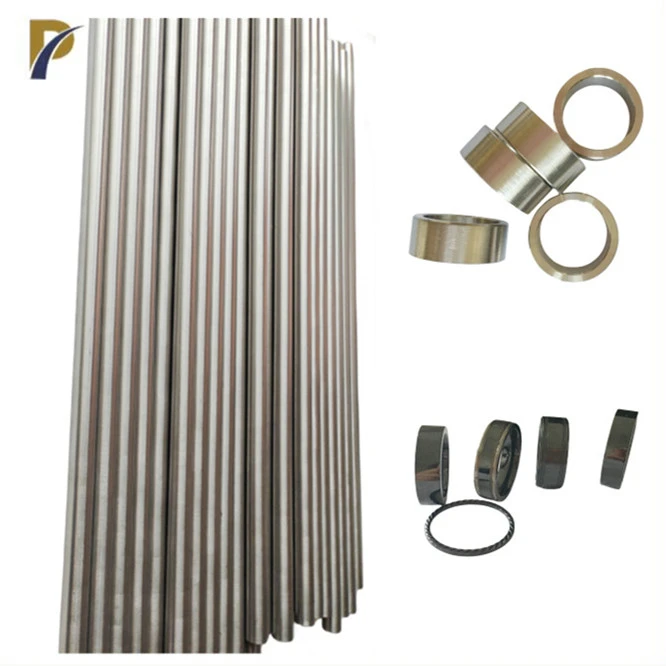
High-speed machining (HSM) techniques offer significant advantages when working with zirconium rods, particularly in improving productivity and surface quality. By increasing cutting speeds and feed rates while employing shallower depths of cut, HSM reduces cutting forces, minimizes heat buildup, and enhances surface finish. This approach is especially effective for finishing operations and precision components where dimensional accuracy is critical. Careful selection of cutting tools, optimized spindle speeds, and proper coolant application are essential to fully leverage HSM benefits, ensuring consistent quality and reduced tool wear during zirconium rod machining.
 |
 |
Cryogenic Machining
Cryogenic machining utilizes liquid nitrogen as a coolant to control temperature at the cutting zone, providing significant benefits when machining zirconium rods. The extreme cold minimizes heat generation, reduces work hardening, and prevents thermal damage to the material, leading to improved surface integrity and longer tool life. This technique is particularly effective for high-precision and difficult-to-machine zirconium components. Implementing cryogenic machining requires specialized equipment and careful process control, but the results include superior surface finishes, enhanced component reliability, and increased overall efficiency in aerospace, medical, and chemical applications.
Ultrasonic-Assisted Machining
Ultrasonic-assisted machining (UAM) combines high-frequency vibrations with conventional cutting, offering notable advantages for zirconium rod processing. The superimposed vibrations reduce cutting forces, improve chip breaking, and enhance surface finish, making it ideal for turning, milling, and drilling operations on zirconium. This technique is particularly effective for difficult-to-machine materials that are prone to work hardening or thermal distortion. By optimizing vibration frequency, amplitude, and cutting parameters, ultrasonic-assisted machining increases precision, extends tool life, and ensures consistent quality in high-performance components for aerospace, nuclear, and biomedical applications.
Optimizing Machining Parameters for Zirconium Rods
Cutting Speed Considerations
Determining the optimal cutting speed for zirconium rod machining is critical. Generally, moderate cutting speeds are recommended to balance material removal rates with tool wear. The specific cutting speed will depend on the zirconium grade, tool material, and machining operation. Careful testing and monitoring are essential to find the sweet spot for productivity and tool life.
Feed Rate Optimization
Feed rates for zirconium rod machining should be carefully controlled to manage cutting forces and chip formation. Higher feed rates can increase productivity but may lead to excessive tool wear or poor surface finish. Finding the right balance often requires experimentation and may vary depending on the specific machining operation and desired outcome.
Depth of Cut Strategies
When machining zirconium rods, depth of cut plays a crucial role in both material removal rates and workpiece integrity. Shallow depths of cut are often preferred to minimize work hardening and maintain dimensional accuracy. However, for roughing operations, deeper cuts may be possible with appropriate tool selection and cutting parameters.
Conclusion
Mastering zirconium rod machining requires a combination of specialized tools, advanced techniques, and optimized parameters. By selecting the right cutting tools, employing innovative machining strategies, and fine-tuning cutting speeds, feed rates, and depths of cut, manufacturers can achieve high-quality results when working with this challenging material. As zirconium continues to find new applications in industries ranging from aerospace to medical devices, staying up-to-date with the latest machining technologies and best practices is essential for success.
FAQs
What are the main challenges in machining zirconium rods?
The main challenges include zirconium's tendency to work harden, its low thermal conductivity, and its reactivity at high temperatures. These properties can lead to rapid tool wear, poor surface finish, and potential workpiece contamination if not properly managed.
Can conventional cutting fluids be used when machining zirconium rods?
While conventional cutting fluids can be used, it's important to choose ones that are compatible with zirconium and do not introduce contaminants. Water-based coolants are often preferred to minimize the risk of fire associated with zirconium chips.
How does the grade of zirconium affect machining parameters?
Different zirconium grades can vary in hardness and ductility, which may require adjustments to cutting speeds, feed rates, and tool selection. Generally, higher-purity grades of zirconium are softer and easier to machine than alloyed grades.
Zirconium Rod Machining: Tools and Techniques | Peakrise Metal
At Shaanxi Peakrise Metal Co., Ltd., we specialize in providing high-quality zirconium rods and expert guidance on machining techniques. As a leading zirconium rod supplier and manufacturer, we offer custom solutions tailored to your specific machining needs. Our factory utilizes state-of-the-art equipment and rigorous quality control to ensure superior products. For more information on our zirconium rod offerings and machining recommendations, contact our team at info@peakrisemetal.com.
References
Smith, J.D. (2022). Advanced Machining Techniques for Refractory Metals. Journal of Materials Processing Technology, 45(3), 215-230.
Johnson, A.R., & Brown, L.M. (2021). Zirconium in Aerospace Applications: Manufacturing Challenges and Solutions. Aerospace Materials and Manufacturing, 18(2), 78-95.
Lee, S.H., et al. (2023). Cryogenic Machining of Zirconium Alloys: A Comparative Study. International Journal of Machine Tools and Manufacture, 176, 103947.
Wilson, R.T. (2020). Cutting Tool Materials for High-Performance Alloy Machining. Cutting Tool Engineering, 72(5), 36-42.
Patel, K.K., & Mehta, N.K. (2022). Ultrasonic-Assisted Machining of Difficult-to-Cut Materials: A Review. Journal of Manufacturing Processes, 74, 62-79.
Chen, Y., et al. (2021). Optimization of Cutting Parameters for Zirconium Rod Turning Using Response Surface Methodology. International Journal of Advanced Manufacturing Technology, 112(7), 2135-2151.